Coaching Sessions
Together, We Overcome Challenges
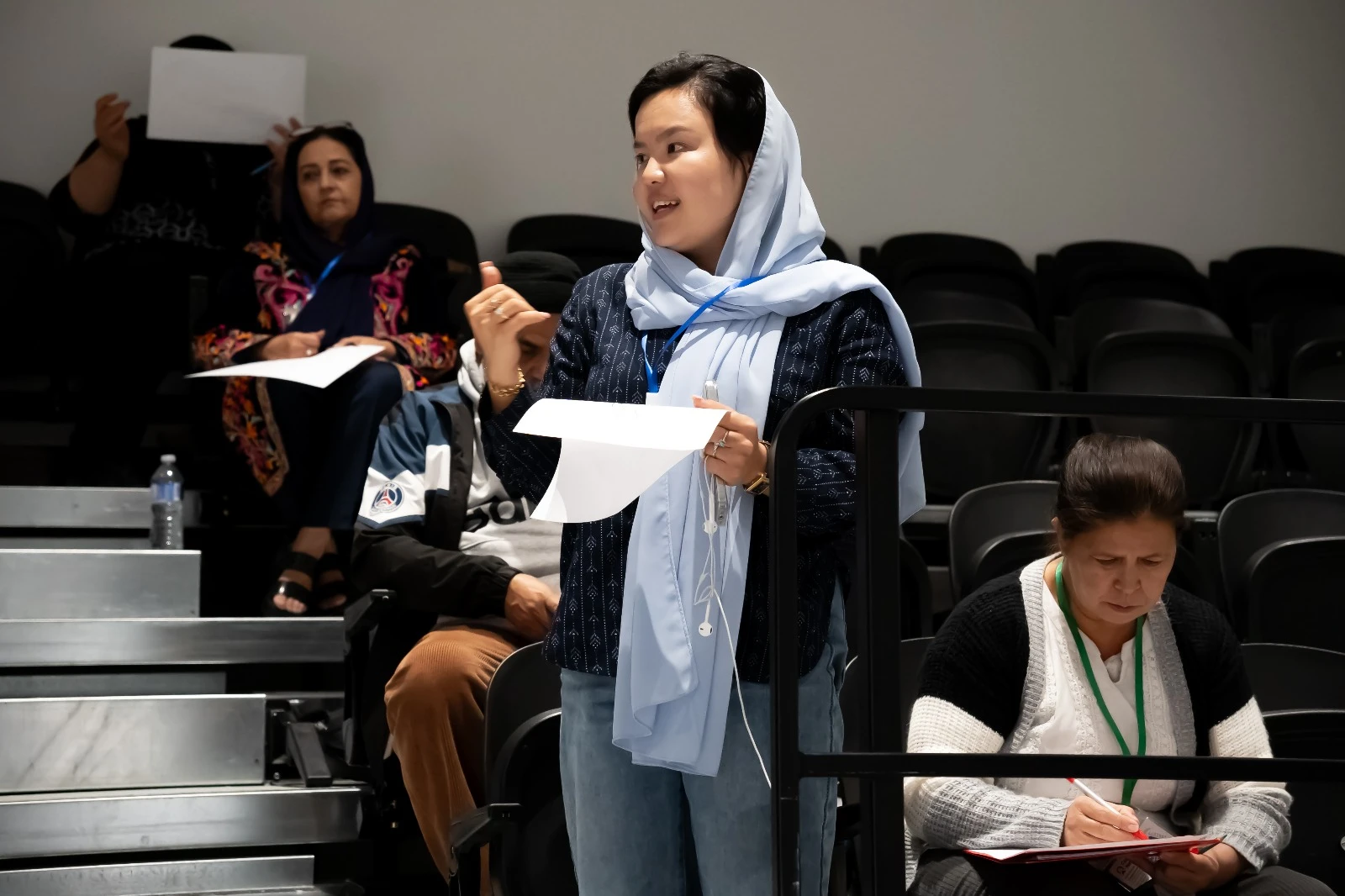
Our coaching sessions are offered to trained helpers to support their ongoing learning and growth. These sessions provide a space to share questions, challenges, and areas needing additional support.
How Coaching Works
1
The process begins with the successful completion of a basic Volunteer Training and Certification program focused on mental health and helping skills. Upon certification, you are formally recognized as a Certified Community Helper and prepared to support individuals experiencing distress.
1
The process begins with the successful completion of a basic Volunteer Training and Certification program focused on mental health and helping skills. Upon certification, you are formally recognized as a Certified Community Helper and prepared to support individuals experiencing distress.
2
After obtaining certification, you may choose to participate in CMHE’s ongoing volunteer coaching. This coaching provides continued guidance on navigating complex situations, ensuring your work is supported and strengthened through input from mental health professionals.
2
After obtaining certification, you may choose to participate in CMHE’s ongoing volunteer coaching. This coaching provides continued guidance on navigating complex situations, ensuring your work is supported and strengthened through input from mental health professionals.
3
You are eligible for coaching sessions. These sessions are designed to address your concerns, build on your strengths, and introduce new techniques.
3
You are eligible for coaching sessions. These sessions are designed to address your concerns, build on your strengths, and introduce new techniques.
4
Although the formal coaching sessions are limited to ensure accessibility for all community helpers, you remain a valued member of the Community of Care. You may seek further guidance and participate in future group sessions when available.
4
Although the formal coaching cycle is limited to ensure accessibility for all community helpers, you remain a valued member of the Community of Care. You may seek further guidance and participate in future group sessions when available.
5
During mentorship sessions, your mentor addresses your concerns, offers practical tools, and clarifies the boundaries of your helping role. This process is designed to build your confidence in real-world situations and to ensure you understand when and how to make essential referrals.
5
During mentorship sessions, your mentor addresses your concerns, offers practical tools, and clarifies the boundaries of your helping role. This process is designed to build your confidence in real-world situations and to ensure you understand when and how to make essential referrals.
Benefits of Receiving Coaching Sessions
Guidance from Mental Health Professionals
Receive expert guidance and practical insights from mental health professionals who are familiar with the distinct challenges encountered by newcomers and ethnocultural communities. These professionals offer support in areas such as managing post-migration stress, addressing identity concerns, overcoming the stigma often associated with mental health and learning how to support others.
Cultural Validation and Emotional Support
Coaching sessions are designed to respect and acknowledge your lived experiences and cultural background. This approach ensures that your perspective is both understood and valued. Community Helpers benefit from emotional support that enhances their confidence, helps prevent burnout, and strengthens their capacity to assist others.
Practical Strategies for Real Cases
Helpers are introduced to practical strategies for addressing common challenges, including feelings of hopelessness, mental health stigma, and reluctance to seek professional assistance. Coaching sessions offer structured guidance for managing crises, maintaining appropriate boundaries, and connecting individuals with relevant city resources.
Connection and Community
These sessions provide opportunities to engage with others committed to advancing mental health equity. By building a supportive network, volunteers can access peer support and avoid isolation in their roles.
Confidence and Empowerment
Community helpers leave with the skills, knowledge, and emotional support necessary to make a positive impact within their communities. They benefit from emotional support that enhances their confidence, helps prevent burnout, and strengthens their capacity to offer meaningful assistance.
Shared Power and Representation
We actively recruit and train community members, including clinicians and facilitators from the communities, to ensure that programs are led by individuals with direct cultural insight and lived experience, building trust, enhancing understanding, and strengthening community ownership of care.